
Growth & Strategy Conversations
A second branch is not the first one, twice.
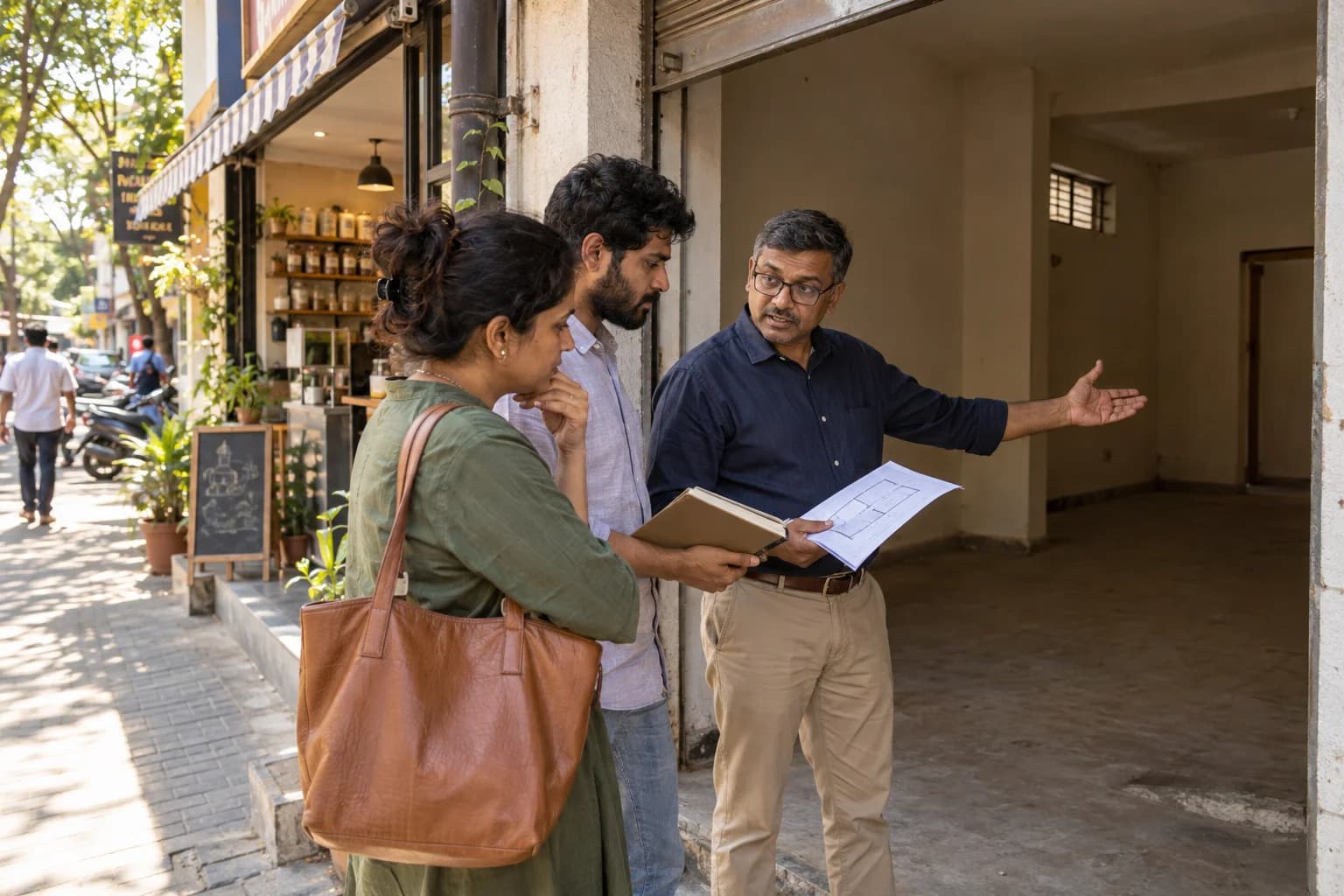
The first outlet works partly because the owner is there: knowing the regulars, fixing problems, watching the till. A second one removes the owner from one of the two places. This conversation helps owners check whether the first branch can run without them, what a second would cost in money and attention, and whether something simpler would grow the business more safely.
Explore this page6 sections
Many second branches are opened because the first one is busy, not because it is ready.
A crowded shop feels like proof that another would also be crowded. Sometimes it is. Sometimes the first branch is busy because of the owner’s presence, its particular location, or a few staff members who are hard to replace. Copying the shopfront does not copy any of that.
A second branch also spreads the same cash, the same attention and the same management over two places. If either is already stretched, expansion can weaken the branch that was working. This conversation looks at the questions to answer before signing a lease.
What the conversation covers
35 topics across 7 areas. Seven things to check before committing.
Is the First Branch ReadyCan it run for two weeks without you?5
- What happens on days the owner is absent
- Which decisions only the owner takes
- Whether profit holds when the owner is away
- Whether the busy-ness is demand or just habit and goodwill
- Staff who would leave if the owner’s attention moved
If the first branch needs you every day, the second will either fail or take you away from the first.
The Real Profit of Branch OneBefore deciding to copy it.5
Many owners have never separated their own pay from the outlet’s profit. Doing so is often the most useful hour of the session.
- Revenue, costs and what is left after paying yourself a fair salary
- Rent as a share of sales
- Seasonal highs and lows
- Stock, cash and credit tied up
- How much of it depends on one product or one big customer
Choosing the LocationEvidence, not resemblance.5
- Who walks or drives past at different hours
- Where your current customers actually come from
- What the neighbouring businesses sell and charge
- Rent and deposit against what sales could plausibly support
- Whether the second branch will compete with the first
What Can Be Copied, and What CannotWriting down what is in your head.5
- Standard ways of serving, packing, cooking, quoting or following up
- Supplier arrangements, and whether they extend to a second place
- Quality checks someone else can do
- The things only you notice, and how to turn them into a checklist
- How long it takes to train a new person to the same standard
If it is not written down, it will not be copied.
People and ControlThe branch manager decides the outcome.5
- Promoting from within or hiring from outside
- Pay, incentives and what the manager can decide alone
- Cash handling and stock checks
- A weekly report you can read in ten minutes
- Visiting both branches without neglecting either
Money and Time to Break EvenPlan for the slow months.5
A hypothetical example with made-up round numbers: if a new branch needs Rs 10 lakh to set up and loses Rs 50,000 a month for the first six months, the owner needs Rs 13 lakh available before the branch earns anything, plus a plan for what happens if it takes longer.
- Setup cost: fit-out, deposit, equipment, first stock
- Running costs before sales reach a steady level
- Months of losses you can afford, and what you will do if sales stay low
- How the second branch is financed, and the repayment
- What happens to the first branch if the second drains cash
Rules to Check, and Alternatives to ComparePaperwork and other options.5
- Registrations in the same state versus another state, including GST: ask an accountant
- Local trade, shop or establishment licences and any sector-specific permits
- Longer hours or a second shift at the first branch
- A kiosk, a delivery-only or online arm, or a partner-run outlet
- Better pricing or a better product mix at the existing branch
This is awareness, not advice. Check the current rules for your own case with a professional.
What participants leave with
- Their own branch-readiness checklist, marked honestly
- A true profit figure for the first branch, with their own pay separated
- A first draft of what must be written down before a second branch
- A simple budget with a slow-start case
- A comparison of a second branch against two alternatives
What this session is not
- A franchise or financing scheme
- Legal or tax advice
- A promise that a second branch will be profitable
- A push towards expansion for its own sake
How the session runs
A small group, two to three hours. Participants bring rough figures for their first outlet: monthly sales, main costs and what they take home. The facilitator walks through the readiness questions, and each participant works through their own numbers on a shared worksheet. The group then challenges each plan, particularly the people and control section. Everyone leaves knowing whether to go ahead, delay, or look at an alternative. Examples are hypothetical and labelled.
What your students leave with
- An honest check of whether the first branch runs without the owner
- The first branch’s real profit, after the owner’s own salary
- A list of what can be written down and copied, and what lives in someone’s head
- A rough budget for the second branch, including months of losses
- A view on who would manage it and how they would be watched
- Two or three alternatives to a second branch, compared fairly
Scheduled sessions
Nothing scheduled yet
Sessions are arranged with a college once a date is agreed. Ask us and we will find the right person for it.
A student rather than a college? See what is coming up, or ask your placement team to host this.
Make sure the first branch can stand without you before you build the second.
Tell us who your students are and what stage they are at. Sessions are free for participants.