
Family Business & the Next Generation
Handing over is the last big job of a founder, and often the least planned
The business has been your work, your income, your standing and, for many years, your daily routine. Handing it to a son, a daughter or somebody else is a decision about all of those at once. This session is for founders and senior owners, and is built around people who have been through it describing what they found hard and what they would do again.
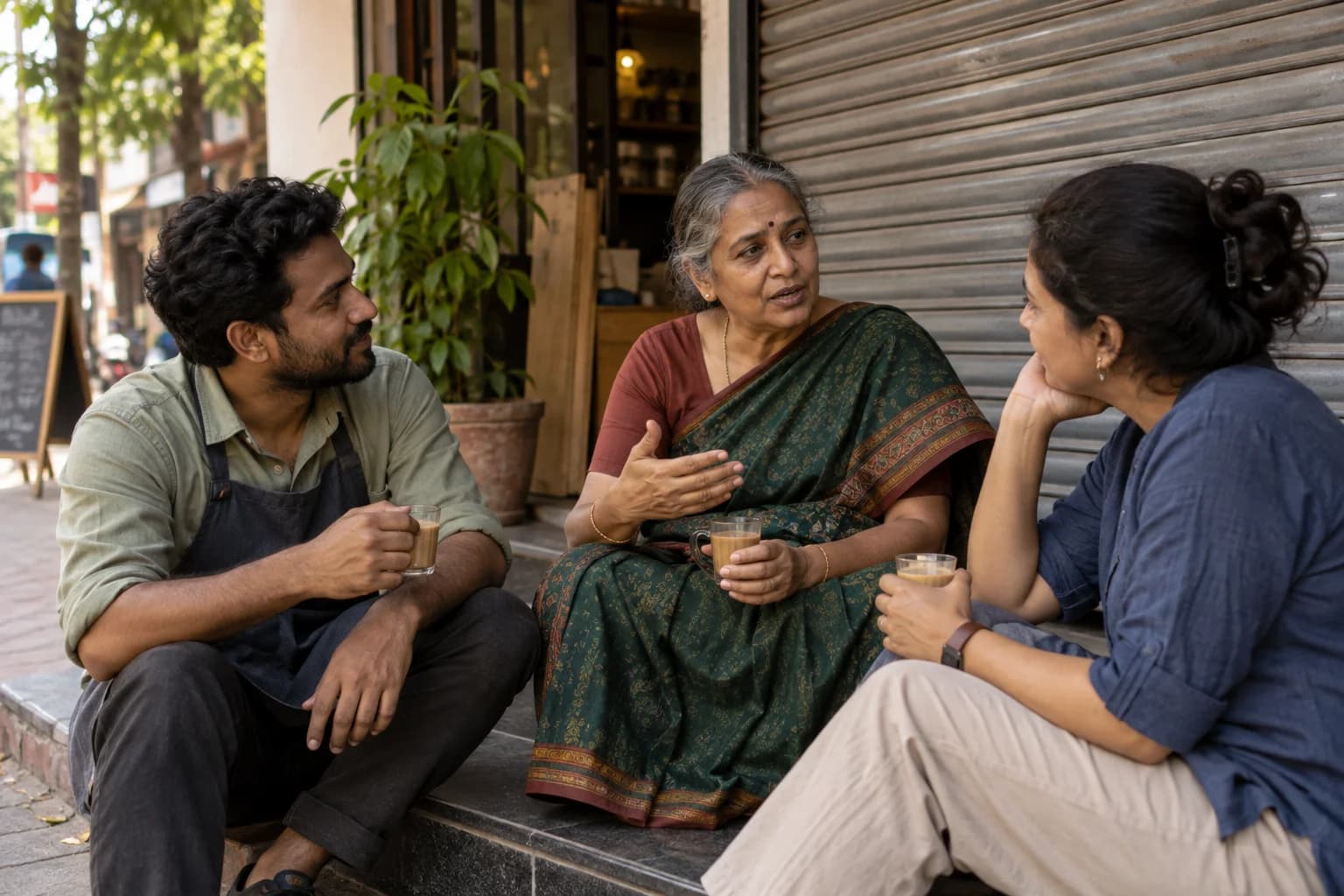
Explore this page6 sections
Handing over is easier to postpone than to do.
Founders are rarely careless about this. They are usually busy, and the subject is uncomfortable: it touches on age, health, identity and what the business will be without them. So it is put off, and then it happens suddenly: an illness, an accident, a dispute. A hurried handover tends to hurt the successor, the staff and the family at the same moment.
A planned one does not have to mean stepping away fully. It can be gradual, with a role for the founder that changes over time. It does, however, need to be thought about, discussed and, where the law is involved, set out properly.
This session speaks to the founder's side with respect, and is not a lecture on why founders should let go. It takes no side between generations. It is not succession-planning consultancy, family counselling or legal advice.
What founders think through
35 topics across 7 areas. Seven parts of handing over.
Why It Is HardNaming it helps.5
None of these is a flaw. They are usually the reasons the business succeeded in the first place. The question is how to respect them while still making a plan.
- The business is part of who you are
- Fear of being unneeded, or of losing daily purpose
- Doubt about whether the successor will do it as well
- Concern for staff who have been loyal
- Concern for what happens to the family's income and standing
WhenTiming that is chosen rather than forced.5
- Signs that now might be a good time, and signs it is not
- Health, energy and interest as honest indicators
- The successor's readiness, and how to judge it fairly
- Business conditions that make a handover easier or harder
- Having a back-up plan if something happens unexpectedly
A plan for a sudden absence is not the same as a plan for retirement, and both are worth having.
Handing Over in StagesNot a single day.5
- Responsibility for a function first, then others
- A change in your own role, from decision-maker to adviser
- Introducing the successor to customers, bankers and suppliers
- Agreeing what you will still be involved in, and what not
- Setting dates to review how it is going
Letting Them Make Their Own MistakesWhere the greatest tension tends to sit.5
- Telling the difference between a mistake and a different approach
- When to speak and when to wait
- Not overruling in front of staff
- Giving feedback in private, and asking before giving it
- Staying out of decisions that are now theirs
The Rest of the FamilyA handover affects everyone.5
Some founders divide the business equally among children; some give it to the one who runs it and compensate the others in other ways; some do something else. This session does not recommend any particular approach. Each has legal and tax consequences that need professional advice.
- Children who are not taking over the business
- A spouse's role and security
- Brothers, cousins and other relatives with an interest
- How to explain the decision, and whether to consult first
- How fairness is going to be understood by each person
The Practical and Legal SideWhat to take to a lawyer and a chartered accountant.5
- How the business is owned today, and whether that matches how it is run
- Whether a will, a family arrangement or another document is appropriate
- Tax implications of transferring ownership or shares
- Bank facilities, guarantees and licences held in your name
- What happens to the business if you die or lose capacity without a plan
These matters depend on the family, the community, the form of the business and the property involved. This session does not give legal or tax advice.
Your Own Next ChapterWhat you will do with the time.5
- A role, if any, that you want in the business
- Interests and responsibilities outside it
- Where you will spend your days after the handover
- Income and security for the years after
- Who you will talk to when you miss it
Founders' questions
- How do I know they are ready?
- What if they want to do things I disagree with?
- Do I tell the staff first or the family first?
- What if my children do not agree about who should take over?
- What if I change my mind after handing over?
What participants leave with
- A list of what they would find hardest to hand over
- A rough sequence for handing over in stages
- A list of questions to take to a lawyer and a chartered accountant
- A first conversation to have with the family
- A sense that others have faced the same thing
How the session runs
Founders and senior owners who have handed over, or are in the middle of it, describe what they found difficult, what worked and what they would do differently. Small-group discussion follows, separately from the next generation, so that founders can speak freely. Participants share only what they choose to share, and what is said in the room is not repeated outside it. Evenings or weekends, in person or online.
What your students leave with
- A clearer sense of what you are reluctant to hand over, and why
- A way to think about timing that is not tied to a crisis
- A staged approach to handing over, rather than all at once
- A view of how to treat children who will not run the business
- A list of the practical and legal matters to take to professionals
- A first conversation to have with the family
Scheduled sessions
Nothing scheduled yet
Sessions are arranged with a college once a date is agreed. Ask us and we will find the right person for it.
A student rather than a college? See what is coming up, or ask your placement team to host this.
Handing over is easier when it is planned in advance.
Tell us who your students are and what stage they are at. Sessions are free for participants.