
Entrepreneur Conversations
Running a business changes the person running it, and few people talk about that
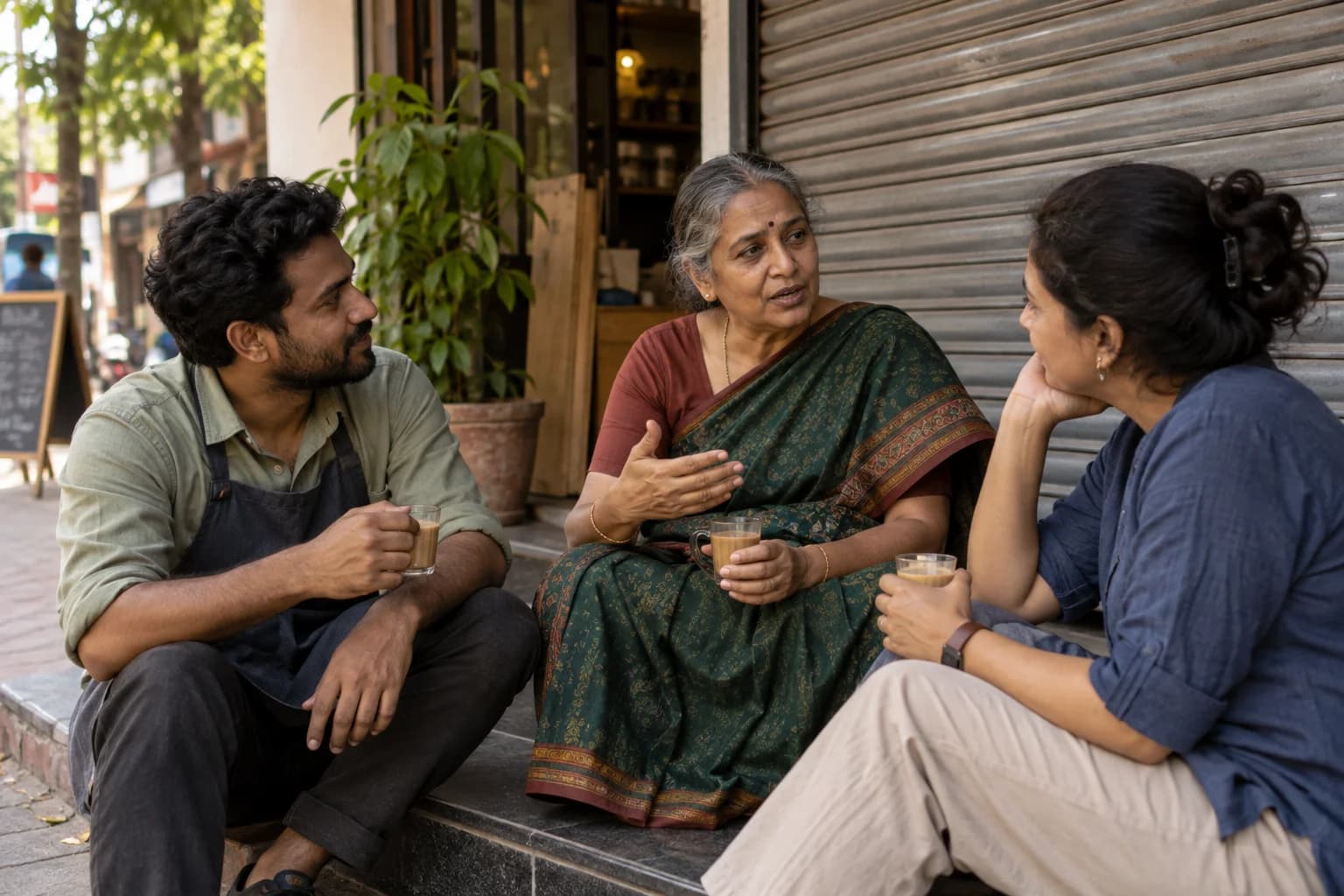
Conversations about business are usually about the business. This one is about the owner: how they handle uncertainty now, what happened to their relationship with money, work and rest, and what the years asked of the people around them. An owner speaks plainly, and the room asks what it wants to know.
Explore this page6 sections
Owners are expected to talk about growth, and are rarely asked what it has done to them.
A business takes more than time and money. It takes attention, patience and a certain amount of calm, and the owner's habits shift in response, sometimes for the better. People who have run one for years often describe themselves differently from how they were at the start, and they seldom get a chance to say so.
Not all of the change is flattering. Some owners become more decisive and some become harder to work with. Some learn to be patient with uncertainty and some find it hard to switch off. A candid account helps a room think about what they are signing up for, which a list of skills cannot do.
This is not a conversation about mental health or therapy, and the speaker is not asked to give advice on either. If something said in the room touches a person personally, the facilitator will keep the session respectful and point to support elsewhere if it is asked for.
What the speaker is briefed to cover
35 topics across 7 areas. Seven ways running a business can change a person, in the speaker's own words.
Who They Were BeforeThe starting point.5
- What they did before starting, in general terms
- How they thought of themselves then: as an employee, a student, a risk-taker or not
- What they expected the change to be
- What they were afraid of
- What they believed about success that they no longer do
Living With UncertaintyThe condition of the work.5
- How they felt about not knowing next month's income
- What they do now when something is unclear
- Whether they have become calmer, more anxious or both
- Habits they built to cope, and ones they would not recommend
- A time the uncertainty was hardest, described in general terms
Speakers describe their own experience and do not give medical or psychological advice.
Money and Its MeaningHow it changed.5
- How their relationship with money changed after having a business
- How they think about risk now
- What they learned about spending and saving, without figures
- What changed in how they judge other people's money decisions
- What they would say to an owner who ties their worth to the business
People and ResponsibilityStaff, customers and family.5
Speakers are asked to speak for themselves and not to describe others' private circumstances.
- What it felt like to be responsible for other people's income
- How they handled disappointing someone who relied on them
- What changed in how they listen and give feedback
- What the work asked of their family, and how it was discussed
- Whether they found people to talk to who understood
Work, Rest and BoundariesWhere it spilled over.5
- How the line between work and the rest of life moved
- What they gave up, and what they took back later
- How they learned, if they did, to take a day off
- What changed after a period of overwork, in general terms
- What they would say to somebody about to start
What They Became Better At, and Worse AtAn honest balance.5
- Skills and habits that grew stronger
- Qualities they feel they lost or put aside
- What people close to them say has changed, if they know
- What they would like to change back
- What they would keep if they could choose
Whether They Would Do It AgainNo required answer.5
- What they would say to the version of themselves who started
- Whether the change was worth it, in their view
- What they would want to be different the second time
- What they would say to someone who is thinking about it
- What they hope the room takes from the conversation, and what they hope it does not
What the speaker prepares
- An account of how they have changed, with a few concrete examples
- What has improved and what has cost them something
- Their own view, without presenting it as the right way to be an owner
- A willingness to leave some questions politely unanswered
What the room can ask
- Are you a different person from when you started?
- How do you cope when things are uncertain?
- What did it ask of your family?
- Have you learned to switch off?
- What do you miss from before?
- Would you encourage a young person to do it?
How the conversation runs
The facilitator opens with a few questions to the speaker, so the conversation feels like a talk between two people and not a lecture, and then opens the floor. Questions may be sent in advance. Before the session the speaker is briefed on speaking only from their own experience, not giving medical, psychological or financial advice, and not promoting their business. The facilitator keeps the tone respectful and can take questions that feel too personal off the table. The host chooses and invites the speaker and agrees the audience with us.
What your students leave with
- A frank picture of what running a business can do to a person, good and bad
- A sense of how an owner's habits, patience and confidence change over the years
- An understanding of what the work asks of family and the people close to them
- Questions to ask yourself before deciding whether to start
- Some recognition for owners who feel they are the only one finding it hard
- A speaker to put further questions to, in the room or afterwards
Scheduled sessions
Nothing scheduled yet
Sessions are arranged with a college once a date is agreed. Ask us and we will find the right person for it.
A student rather than a college? See what is coming up, or ask your placement team to host this.
Hear what a business does to the person who runs it, before you decide to run one.
Tell us who your students are and what stage they are at. Sessions are free for participants.